Did You Notice?
"Did you notice that?..." I ask my clients this all the time. Sometimes they did. Sometimes they didn't. And sometimes there wasn't anything there, and I just wanted them looking.
I leave “that” open on purpose. Sometimes I mean the movement, sometimes how they’re feeling. What they come back with tells me where their attention is and what they need, so I can adjust if I have to.
Noticing is one of the most useful skills you can have, for yourself and for anyone you're helping. But it's only the first step. Once you notice something, you have to get curious about it and then decide what you actually want to do with it. Change it, or keep it the same. There were a lot of little moments that taught me that, but I'll tell you about one.
I herniated a disc in high school, and it took me a little over five years before I had the confidence to deadlift again. (This isn't a "don't deadlift" post, by the way, so stick with me.) Once I got back into it, I went for a weight I just couldn't get. Felt a twinge, kept pulling anyway. Then there was a click and a sudden stretch, and my back locked up. Three months of sciatic pain and some motor loss. I couldn't sleep without turning over every 10 to 20 minutes. The nerve stuff stuck around for about two years. What I eventually noticed wasn't really the twinge. It was the part of me that wouldn't give up.
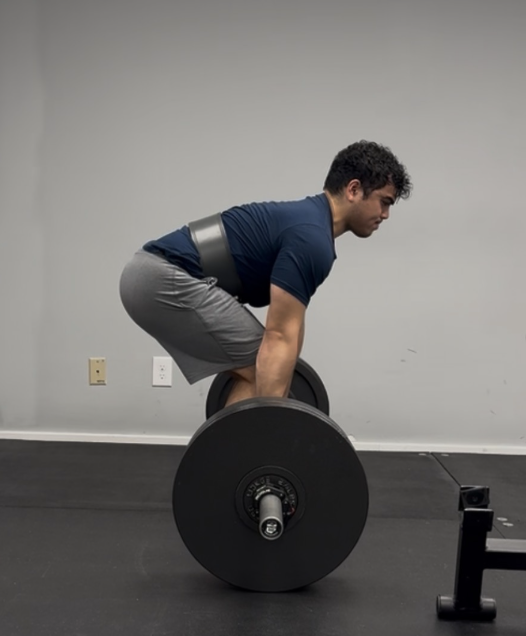
Back then, stopping felt like failing, so I just pushed through no matter what. I had to get curious about why I kept going when my body was telling me to stop. Once I figured that out, I could actually decide what to do about it. Every day was a little different. Some days I kept going. Other days I stopped or switched things up. It wasn't about always backing off. It was about making it a real choice instead of running on autopilot and just plowing ahead. I still feel that pull sometimes (not some perfect comeback story), but it’s better, and I can see how far it's come. I can hit that old weight for reps now.
This attitude didn't just stay in the gym. It's changed how I deal with stress and how I go into hard things. I catch myself actually enjoying good moments more instead of rushing past them. And it made me a better coach.
With clients, I pay attention to more than what they're telling me. Breathing and body language are big ones, or whether they're rushing into the next set or dragging their feet. Even how they say things. If someone goes "oh it's fine, just a little tight" all easygoing, I don't jump to conclusions. Maybe it really is fine! But I get curious and I ask. Honestly, that curiosity is what changed my coaching more than anything.
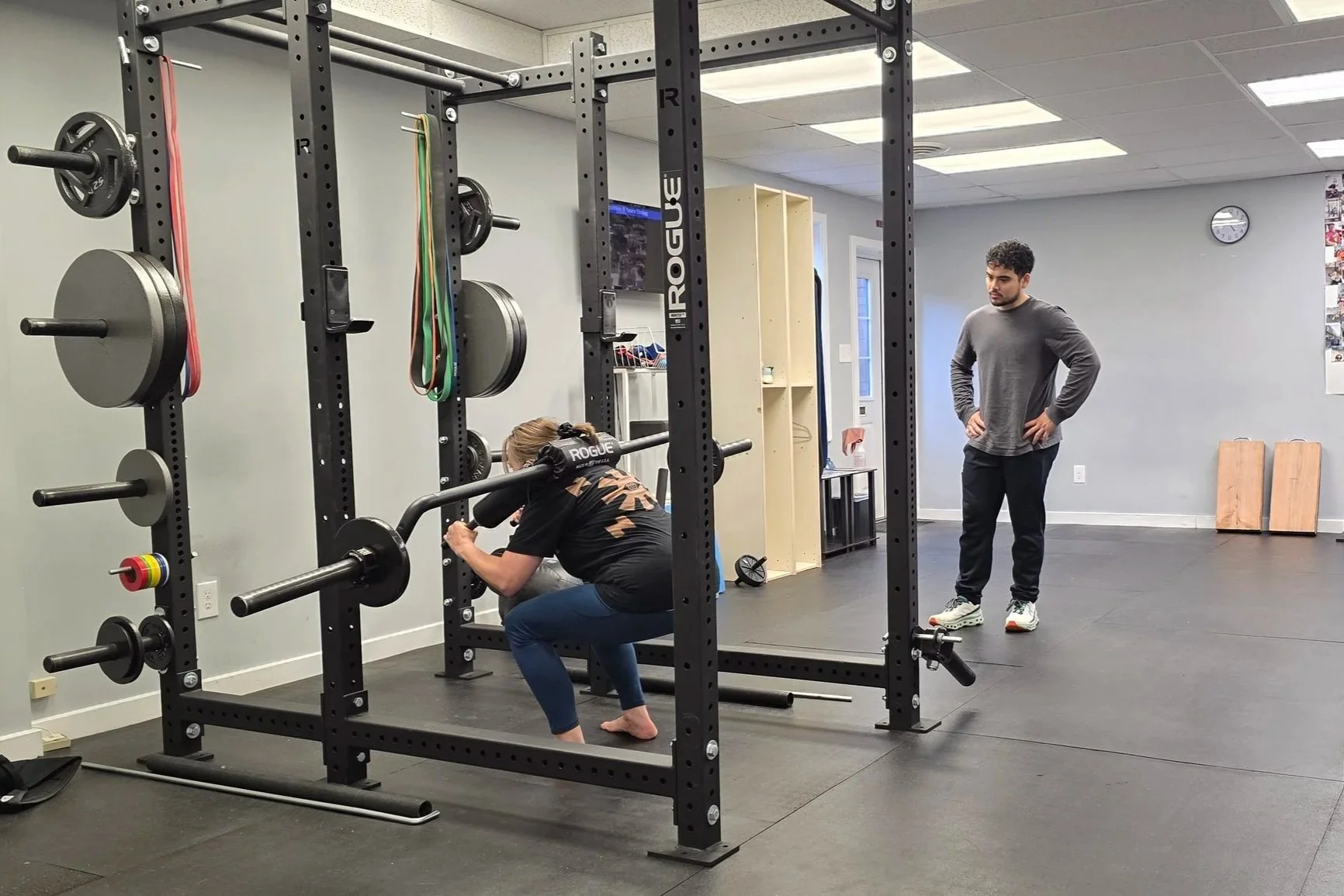
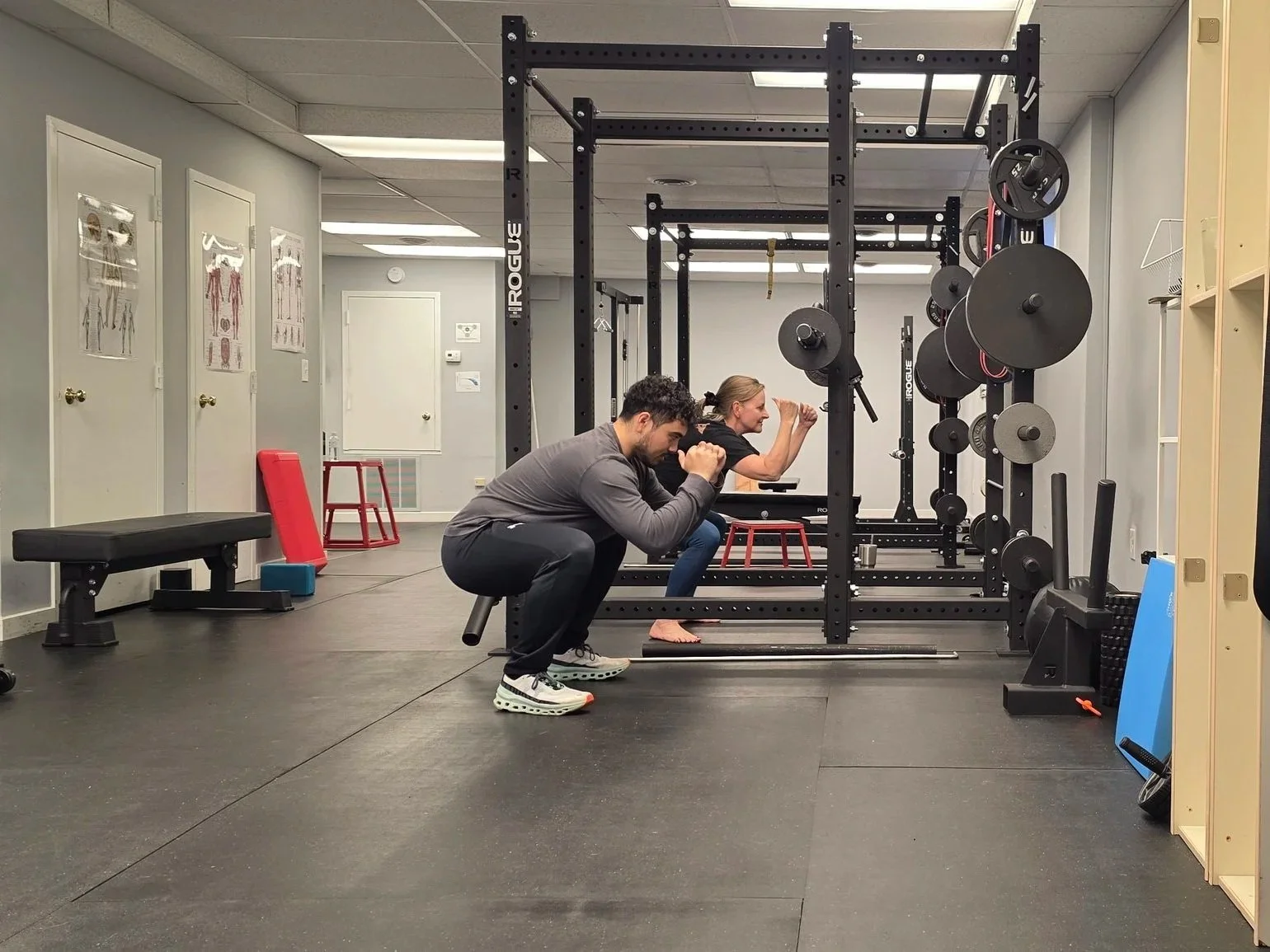
It happens almost every day. Someone's in the middle of a set and something looks a little off. They walked in feeling fine, and they meant it. So I pause and ask what they're feeling, and a lot of the time that jogs something. They didn't sleep well, or their back's been bugging them since they woke up. Nobody did anything wrong. They just hadn't stopped long enough to notice. Then we figure it out together. Sometimes we change the exercise. Sometimes we keep it exactly the same because that's what they need that day. Either way, they're the one who noticed, and that sticks with people way longer than me just telling them.

It helps to be curious about the small stuff too. Take two people who can't hit depth on a squat. One is holding so much tension they're stuck, so I'll tell them to let their feet hold the weight, not their pelvis. The other isn't bracing enough, so their body doesn't feel safe going any lower. They actually need more tension. Same problem, opposite fix. You'd never figure that out without getting curious about why.
Pain is the same way. Notice that it hurts, then get curious about it instead of just working around it. I notice the good stuff with clients too. A lot of the time someone's moving better or lifting more than they were a few months ago, and they have no idea. So I'll ask them if they noticed. When they see it for themselves, it actually sinks in.
Then look back on it. Did you like how it turned out? Would you do it the same way next time?
I'm not here to tell you what to change. That's up to you. What I took from my own mistake is pretty simple: notice it, get curious, and then actually make a choice.
None of this is new. Most of us have heard "listen to your body" or "change takes time" a hundred times. Knowing it was never the hard part. Catching it in the moment and getting curious enough to do something about it is. Some things you can't really be taught. You just learn them by living. But if someone’s looking to you for guidance, you can help them get there a little faster by getting them curious instead of handing them the answer. And that starts with doing it yourself.
Notice. Get curious. Decide. Then notice again.
Stay curious, and help someone else get curious too.